Cold Hands, Honest Jars: A Winter Reality Check on CBD Balms and Creams
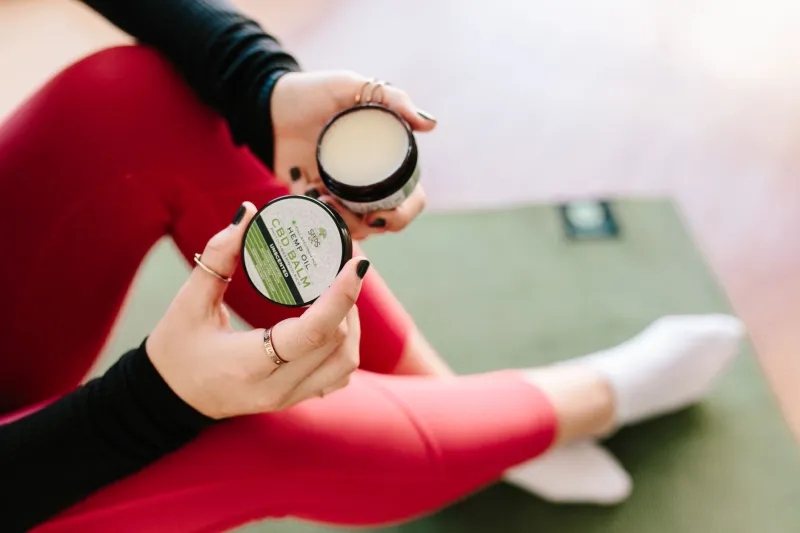
There’s a particular winter moment when a tub of CBD balm stops being a nice idea and becomes part of the daily kit: you’re back from a dog walk, your knuckles are cracked, your knees feel like they’ve been left in the shed overnight, and the central heating has turned your hands into sandpaper. That’s when a small tin in your coat pocket starts to look very appealing.
But winter is also the season when CBD topicals get talked up beyond what they can honestly deliver. So let’s keep this grounded. Here’s what a balm, salve or cream can sensibly be used for, what the label legally means, and the checks worth doing before you spend £30 on something that’s mostly beeswax and optimism.
First, what a CBD topical actually is
A CBD topical is simply a product you put on your skin rather than swallow. Balms and salves tend to be oil- and wax-based; creams and lotions are usually water-and-oil emulsions. The CBD is mixed into that base, alongside things like shea butter, coconut oil, beeswax, glycerin or essential oils.
That delivery matters. A swallowed CBD oil goes through your digestive system. A topical stays on the surface of your skin, doing its thing locally. It is not a replacement for an oil or capsule, and it won’t give you the same sort of whole-body experience. Think of it as skincare with a CBD ingredient, not a stealth edible.
The word ‘cosmetic’ is doing a lot of work
Under UK rules, CBD topicals are generally sold as cosmetic products. In plain terms, that means they’re intended for cleansing, perfuming, changing appearance, protecting the skin or keeping it in good condition. Cosmetic claims are allowed — “moisturises dry skin”, “helps soften rough patches”, “leaves skin feeling comfortable” — but medicinal claims are not.
That’s why a reputable jar will not tell you it treats arthritis, cures joint pain or fixes a medical condition. If a label promises that CBD balm will “banish knee pain” or “relieve inflammation”, that’s not a sign of a premium product. It’s a sign the marketing has gone well past what a cosmetic can lawfully claim.
This isn’t legal pedantry. It’s a useful filter. A brand that is careful with its wording is usually careful with its formulation too.
How to spot a hopelessly underdosed jar
Here’s the annoying truth: CBD topicals are easy to underdose because the base ingredients are cheap and the packaging can be lovely. A 100ml balm with 50mg of CBD in the whole tub contains roughly 0.5mg per ml. That is a very small amount. You could use it happily as a moisturiser, but you shouldn’t expect much from the CBD part.
Look for the CBD content stated clearly in milligrams, plus the total size of the product. Then do the rough maths. A 50ml balm with 500mg is a very different proposition from a 100ml balm with 100mg. You don’t need to be a chemist to spot the difference, but you do need the numbers to be on the label.
Also check whether the product uses CBD isolate, broad-spectrum extract or full-spectrum extract, and whether it states the THC level. For a cosmetic balm, this may be less critical than for an ingestible oil, but clarity is still a good sign. If the label is vague about CBD content but detailed about “ancient botanical wisdom”, put it back.
Five label checks before a winter balm earns its pocket space
- CBD amount per unit and per pack. You want milligrams and millilitres or grams, not just “CBD-infused”.
- Extract type and THC status. Isolate, broad-spectrum or full-spectrum should be stated. So should THC content.
- Base ingredients. In winter, look for genuinely comforting carriers such as shea butter, beeswax, jojoba or glycerin. If your skin is sensitive, go easy on heavily fragranced balms.
- Batch and testing information. A batch number and a way to contact the brand are basic housekeeping. Third-party lab reports are a bonus.
- Claims that stay in cosmetic territory. “Soothes dry hands” is fine. “Treats joint pain” is not.
Where a balm actually earns its place
A CBD balm is at its best when you treat it as a pleasant, targeted moisturiser for rough, dry or weather-beaten skin. Cracked knuckles after a cold dog walk? Fair enough. Dry shins from central heating? Sensible. A little balm massaged into tired-feeling knees after a frosty morning? Fine, as long as you’re not expecting it to replace proper medical care.
Patch-test new products on a small area first, especially if you’ve got sensitive skin or eczema. Don’t apply balm to broken skin, cuts or rashes, and keep it away from your eyes. If you’re dealing with persistent joint pain, swelling or a skin problem that isn’t settling, speak to a pharmacist or GP rather than hoping a coat-pocket tin will sort it.
What CBD topicals won’t fix
A balm won’t treat arthritis. It won’t cure a bad back. It won’t deliver a dose in the same way as an oil, and it won’t make you feel “calm” in the way an ingestible product might. It also won’t do much if the CBD content is tokenistic and the jar is mostly petroleum jelly with a nice label.
That’s not a reason to avoid topicals altogether. It’s a reason to buy them honestly. A good CBD balm can be a genuinely nice winter skincare item: comforting, portable and easy to use when your hands are too cold to faff about. Just don’t ask it to be medicine.
A simple winter routine
Use a small amount on clean, dry skin and massage it in. Reapply after hand-washing or after you’ve been outside in the wind. Store the tin somewhere cool rather than on a radiator, and check the expiry date before it becomes a permanent coat-pocket fossil. If the smell is overpowering or the texture separates badly, that’s a hint the formulation isn’t for you.
And if you’re buying a new balm this winter, read the label before you read the reviews. The best coat-pocket topical isn’t the one with the boldest claims. It’s the one that tells you exactly what’s in the jar.