The Ten-Minute Handover: Talking CBD at a UK GP Appointment Without the Awkward Pause
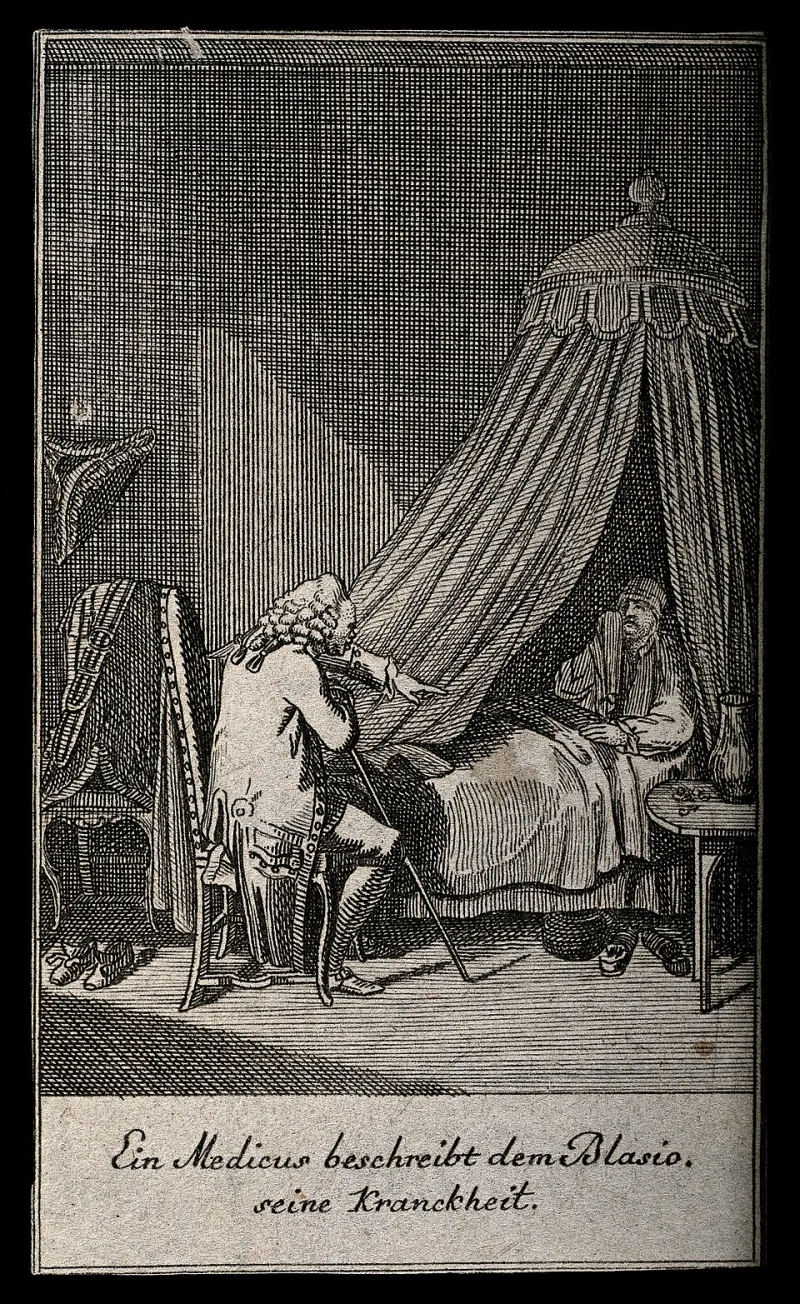
Photo: Unknown, CC BY 4.0, via Wikimedia Commons
There’s a particular sort of silence that can follow the words “I’ve been taking CBD.” It’s not quite disapproval and not quite confusion. It’s the sound of a ten-minute GP appointment suddenly feeling much shorter.
That pause is understandable. CBD sits in a slightly odd corner of UK health: widely sold on high streets and online, often labelled as a food supplement, but not a licensed medicine. Your GP may have little training on specific products, and the labels themselves can be vague. Meanwhile, you might feel as if you’re admitting to something questionable rather than mentioning a normal part of your wellbeing routine.
The good news is that the appointment doesn’t need to be a debate. It needs a handover. Think of it as passing over the relevant facts so your GP, nurse or pharmacist can do their job — and so you can leave with a clearer plan rather than a shrug.
Why the awkward pause happens
CBD is not a single, standardised thing. One person’s “CBD oil” might be a 5% bottle with a few milligrams per drop; another’s might be a stronger product with a very different serving size. Some products are capsules, some are balms, some are drinks or gummies. Labels use different formats, and “full spectrum” or “broad spectrum” can mean different things from brand to brand.
GPs are trained to think in medicines with known doses, known interactions and known evidence. CBD products often arrive with none of that clarity. A cautious response isn’t necessarily a judgment on you. It’s often a reasonable reaction to a crowded shelf and a short appointment.
Your job, then, isn’t to convince anyone that CBD is wonderful. It’s to give the clinician the few facts that actually matter.
The three-fact handover
Before your appointment, write down three lines. Keep them short enough to read aloud if your mind goes blank.
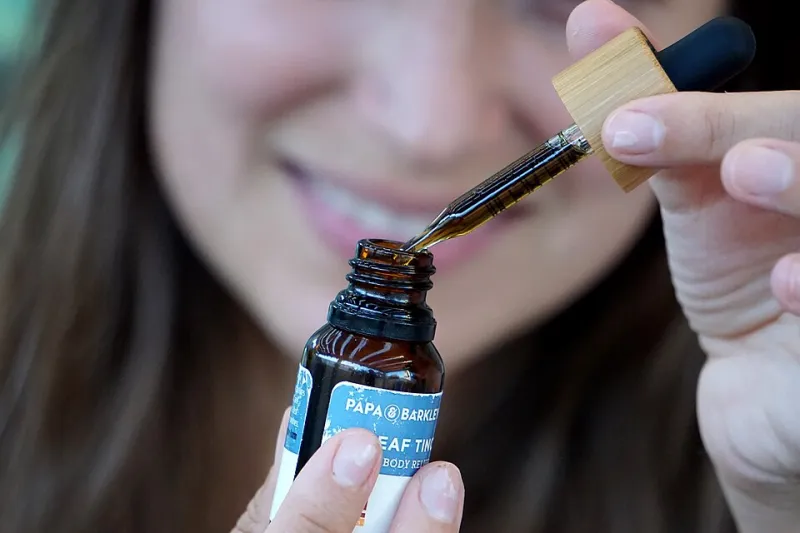
1. What it is and how much CBD you take. Say the product type and the amount of CBD per dose, not just the bottle size. For example: “I take a 10% CBD oil, about 20 mg once in the evening.” If it’s a capsule, say how many milligrams per capsule and how many you take. If it’s a balm or cream, say where you apply it and how often. If you genuinely don’t know the milligrams, say so and bring the bottle or a photo of the label. “Two droppers” is less useful than “roughly 15 mg, according to the label.”
2. How often and when. Once a day? Twice? Only when you feel stressed, or every night before bed? How long have you been taking it? Timing matters because it helps the clinician understand whether CBD is a regular background product or an occasional one. It also gives them a sense of whether any new symptom lines up with a change in routine.
3. Your other medicines, supplements and relevant conditions. This is the part that matters most. Bring a list of prescription medicines, over-the-counter painkillers, vitamins, herbal supplements and anything else you take regularly. Mention conditions affecting the liver, any blood-thinning medication, epilepsy medicines, sedatives, and whether you are pregnant, breastfeeding or trying to conceive. You don’t need to explain your entire medical history from scratch — the GP has your notes — but you do need to connect the dots between CBD and everything else going into your body.
Those three facts turn “I take CBD” into a workable clinical picture.
What to leave out — and why
This isn’t about shame. It’s about signal versus noise. A ten-minute appointment rewards brevity, and not everything you’ve read online belongs in the room.
Leave out the brand story, the influencer recommendation and the long tale about which flavour you prefer. Leave out dramatic claims such as “it cured my anxiety” or “it fixed my sleep.” You can say you’ve noticed a change, but keep it descriptive: “I sleep a bit better” or “I feel calmer in the evening” is more useful than a sweeping medical claim.
Also leave out the expectation that your GP will approve, prescribe or formally recommend a specific product. In the UK, CBD products are generally sold as food supplements rather than licensed medicines. Your GP may not be able to endorse a brand, and that’s not a personal rejection. What they can do is discuss interactions, monitor symptoms and help you think about whether CBD is appropriate alongside your existing care.
And don’t leave out your CBD use just because you’re worried about being judged. Honesty is more useful than a tidy story.
Reading the label before you go
UK labels aren’t always models of clarity. Look for the amount of CBD per millilitre, per capsule or per serving. Check whether the label states the THC content, the batch number and the ingredients. If a product makes strong medical claims, treat that as a reason to be cautious rather than reassured. CBD sold in the UK is not supposed to be presented as a medicine unless it has the appropriate authorisation.
If the label doesn’t tell you how much CBD you’re getting per dose, say that at the appointment. “The bottle says 10%, but I can’t work out the milligrams” is a perfectly valid thing to tell a pharmacist. They may be more familiar with product labels than your GP, and a quick chat at the pharmacy counter can save time later.
A calm script for the ten minutes
You don’t need a speech. Something like this works:
“I wanted to mention a supplement I take. It’s CBD oil — about 20 mg in the evening, most days. I also take my regular prescription medicines, and I wanted to check whether there are any interactions I should be aware of.”
Then ask two useful questions: “Is there anything I should monitor?” and “Should I pause it before any procedure or if I start a new medicine?” If the GP isn’t sure, ask whether the practice pharmacist could review your medicines list. That’s a practical next step, not a brush-off.
The bottom line
CBD doesn’t need to be a secret, and it doesn’t need to be a performance. It’s a product you take, and your clinician needs the basics: what it is, how much, how often and what else is in the mix. Keep the handover short, bring the label if you can, and don’t expect anyone to cheer. A useful appointment is one where you leave with fewer unknowns — even if the answer is simply “let’s keep an eye on it.”
This is general information, not medical advice. If you’re unsure about CBD alongside your medicines or health conditions, speak to your GP, nurse or pharmacist.