Salad Dressing or Supplement? What Your CBD Oil’s Flavour Is Trying to Tell You
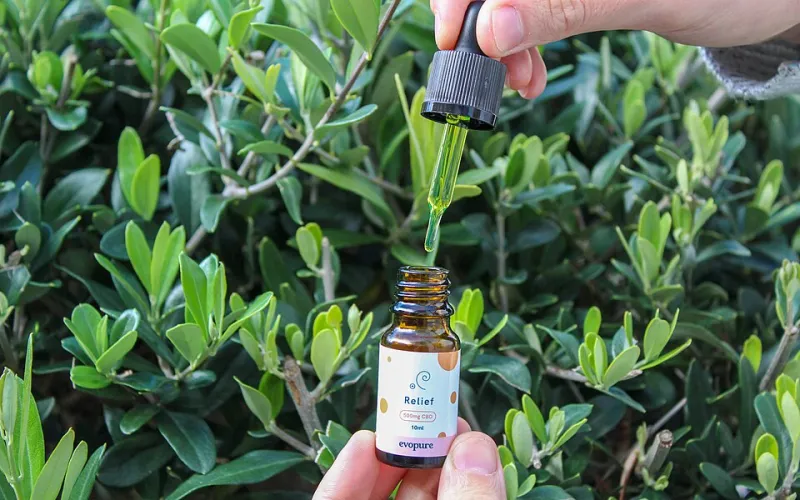
Photo: Evopure, CC BY-SA 2.0, via Wikimedia Commons
Walk into any UK health shop, pharmacy or online checkout and you’ll find CBD oils that look almost identical from the outside. Same amber glass, same dropper, same tidy label. Open them, though, and one smells like a freshly mown lawn while the other is almost blank. Newcomers often assume the stronger the hemp flavour, the stronger the CBD. It’s a tidy theory. It’s also wrong.
At Champion CBD, we’re not here to tell you that a fancy flavour equals a better bottle. Taste is a useful clue, not a certificate of quality. But it can tell you quite a lot about carrier oils, added flavourings and whether the label is being straight with you. Here’s how to read a CBD oil with your senses — without turning it into a wine-tasting ceremony.
Why two CBD oils can taste worlds apart
CBD itself is not a big flavour performer. A pure CBD isolate can be surprisingly bland. The taste you notice usually comes from everything else in the bottle: the carrier oil, other plant compounds in a broad or full-spectrum extract, and any flavourings the maker has added.
That’s why one oil can taste earthy and green while another tastes like peppermint sweets. Neither is automatically more ‘natural’ or more effective. They are simply different recipes.
The carrier oil is doing more than you think
Carrier oils are the base of most CBD drops. In the UK, you’ll commonly see MCT oil, hemp seed oil and olive oil.
MCT oil is thin, mild and fairly neutral. It’s popular because it doesn’t fight with the hemp flavour and it mixes easily into drinks. Hemp seed oil brings a nutty, grassy, sometimes slightly bitter note. Olive oil can add a peppery backnote and a heavier mouthfeel.
None of these is a red flag on its own. But the carrier should be declared. If the front label shouts about CBD and the ingredients list is vague, that’s your first clue to slow down.
Flavourings: helpful, harmless or hiding something?
A bit of peppermint, lemon or citrus can make a daily drop more pleasant. That’s not a crime. Many people prefer a flavoured oil, especially if they find the natural hemp taste a bit much.
The issue is honesty. If a bottle tastes strongly of mint but the ingredients don’t mention flavouring, ask why. If the label says ‘natural hemp flavour’ but the taste is closer to toothpaste, that’s worth a second look. Flavourings should be listed, and the label should make it clear whether you’re buying a plain oil or a flavoured one.
Also be wary of flavour masking a problem. A heavy dose of sweetener or mint can cover a stale oil. That’s why the first sniff and the finish matter as much as the initial taste.
What taste can and cannot prove
Taste cannot tell you the CBD content. A 5% bottle and a 10% bottle can both taste earthy. A bitter oil is not automatically stronger, and a bland oil is not automatically weak.
Potency is a numbers game: milligrams of CBD per bottle, per millilitre or per drop, plus a batch-specific lab report where available. Those are the things to check before you pay, not the strength of the lawn clippings.
Taste can tell you about freshness, carrier oil, added flavour and whether the product matches its description. It can also flag a problem. It just can’t do the maths for you.
A practical tasting checklist for your kitchen table
You don’t need a special glass or a tasting notebook. A clean spoon, a few minutes and a bit of common sense will do.
- Read the label first. Check CBD content per bottle and per drop, the ingredients list, batch number, best-before date and a seller contact. If any of those are missing, pause.
- Let the oil come to room temperature. Cold oil tastes duller and thicker. A few minutes on the worktop is enough.
- Shake gently if the label says so. Some oils separate; most don’t need a vigorous workout.
- Try a very small amount on a clean spoon. Note the first flavour, the middle and the finish. Grassy? Bitter? Peppery? Minty? Oily? Chalky?
- Compare it with the carrier oil if you know it. Hemp seed oil has a recognisable nutty-green taste. MCT is much quieter.
- Look for consistency. If the same product tasted fine last week and now tastes sharp, sour or plasticky, stop and check the batch.
- Don’t chase a big spoonful. A tasting drop is not a dose. If you’re new to CBD, keep the rest of the day boring and start low.
When a strange flavour is a red flag
Most odd tastes are harmless quirks of the recipe. Some are not. Contact the seller if your oil tastes rancid, sour, mouldy, chemical or strongly of plastic, or if the texture is gritty or fizzy when it shouldn’t be. The same goes for a leaking cap, a swollen bottle, a label that doesn’t match the product or a batch number that can’t be traced.
Take a photo, note the batch number and ask the seller directly. A good retailer should answer without huffing. If you’ve already taken some and feel unwell, stop using it and seek appropriate advice. For UK consumers, Citizens Advice can point you towards Trading Standards if a seller won’t engage.
The bottom line
Your taste buds are a decent detective, not a judge. Use them alongside the label, the lab report, the price and the seller’s willingness to answer questions. A grassy, bitter oil might be perfectly fresh. A bland one might be exactly what you wanted. The trick is knowing what the flavour is made of — and not letting a clever mint finish do all the talking.