The Cupboard Doesn't Read the Label: Fitting CBD Around Vitamins, Herbs and Prescriptions

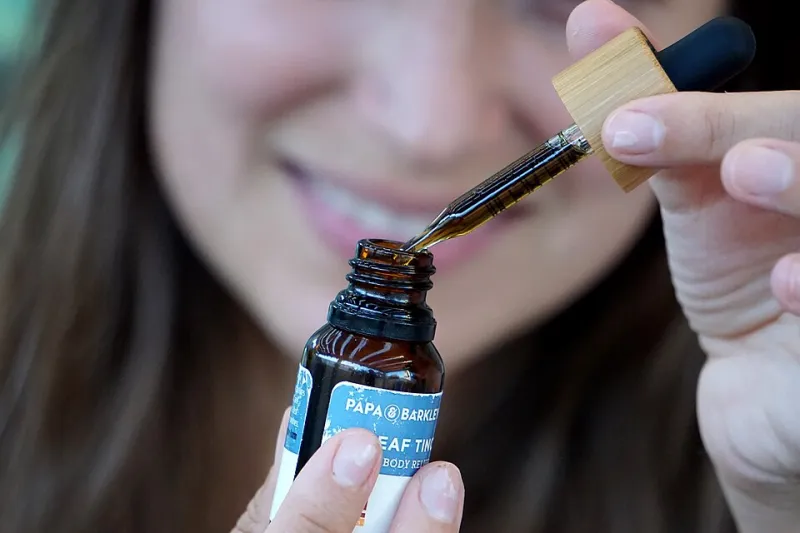
Most UK kitchens have a cupboard like this. Back left, a multivitamin that felt like a fresh start last January. Beside it, a bottle of iron tablets from a tired GP visit two winters ago. A tub of turmeric capsules somebody recommended at a barbecue. And now, sitting slightly self-consciously next to the teabags, a bottle of CBD oil with a dropper and a label that talks about "full spectrum" but not much about anything else.
That last bit is the awkward part. Plenty of UK CBD shoppers are already taking vitamins, herbal supplements or prescribed medicines, yet the average CBD label is not built to help you think about the whole cupboard. It is built to sell a bottle. So let's treat this as an audit rather than a diagnosis: a calm look at what to note, what to ask, and where the line sits between sensible curiosity and DIY medical conclusions.
Start with what's already in there
Before you read another word about milligrams, empty the cupboard onto the worktop. Actually empty it. You will almost certainly find three things: something expired, something you cannot remember buying, and something prescribed that you take every day without thinking about it.
Write a short list. Name, strength, how often you take it, and whether it was prescribed or bought. Include the herbal stuff, because "natural" is not the same as "inert" — St John's wort is the classic example people mention, but the principle applies more broadly. If a pharmacist is going to help you, they need the real list, not the edited one.
What the CBD label will and won't tell you
In the UK, CBD sold as a food supplement is not a licensed medicine. That means it cannot make claims to treat or prevent illness, and the label is generally clearer about branding than about the practical stuff.
What you can reasonably expect to find: the amount of CBD per bottle and per drop or ml, the carrier oil, any flavourings, batch information, and a best-before date. Good brands publish third-party lab results, often via a QR code. The legal THC limit for CBD products in the UK is 1mg per container, and reputable sellers should be able to tell you which batch you have.
What you will rarely find: any meaningful guidance on how the product sits alongside your other supplements or your prescription. That is not really a labelling failure so much as a category limitation. It does mean the thinking is on you — and on the professionals you can ask.
The timing question is not a DIY puzzle
There is a lot of online chatter about spacing CBD away from other things you swallow, and some of it is sensible in principle. But "in principle" is doing heavy lifting there. Whether timing matters, and how much, depends on what you take, why you take it, and how your body handles it.
This is exactly the sort of thing not to solve by scrolling forums at 11pm. If you take a prescribed medicine regularly, the useful question is not "what does the internet say about CBD and my tablets?" It is "can a pharmacist check this for me?"
The ten-minute pharmacist conversation
UK pharmacies are free, no appointment needed, and pharmacists are trained in medicines — including over-the-counter ones and supplements. They are often the fastest route to a straight answer.
Take your list, plus the CBD bottle. Ask something like: "I take these. I'm thinking of trying this CBD oil. Is there anything here you'd want me to check with my GP first?" That framing works better than "is CBD safe with this?" because it invites a proper look rather than a yes or no.
Useful follow-ups include whether timing matters, whether anything on the list should not be stopped suddenly, and whether the pharmacist would flag it to your GP. Write down what they say. You will forget.
When the GP is the right person
A pharmacist can handle a lot, but some situations deserve your GP. If you take medicines with a narrow safety margin, if you have a liver condition, if you are pregnant or breastfeeding, if you are due surgery, or if you are taking CBD for a specific symptom rather than general wellbeing, book the appointment.
Be straightforward: what you take, how much, how often. GPs are not there to scold you for trying a food supplement, but they cannot help with a half-told story. If you notice anything unusual after starting CBD — a change in sleep, digestion, mood or anything else — mention it rather than sitting on it.
Consistency beats clever scheduling
One habit worth building early: keep your CBD routine boring. A steady daily amount, taken at roughly the same time, gives you something to actually assess. Chopping and changing dose, brand and timing every week tells you nothing except that you are busy.
Keep a two-line note on your phone: what you took, when, and anything you noticed. It is not a clinical trial, but it is a better record than memory.
A simple cupboard audit for this week
- Empty the cupboard and bin anything expired.
- List every supplement and prescription, including strength and frequency.
- Read your CBD label properly: CBD per drop, carrier oil, batch, best-before.
- Check whether the brand publishes lab results you can actually open.
- Book ten minutes with a pharmacist, list and bottle in hand.
- Decide on a steady daily amount and stick to it for a few weeks.
- Note anything unusual and raise it with a professional rather than self-adjusting.
What this piece is not
This is not medical advice, and it is not a way to work out interactions yourself. CBD is a food supplement in the UK, not a treatment, and the sensible approach is to let people who know medicines look at your actual list.
If you feel unwell after taking any supplement, stop and seek advice. The MHRA's Yellow Card scheme exists for reporting suspected side effects, and your GP or pharmacist can point you towards it. The cupboard does not read the label. Somebody should.