The First-Sip Approach: Why a Boring CBD Dose Is a Better Start Than a Bold One
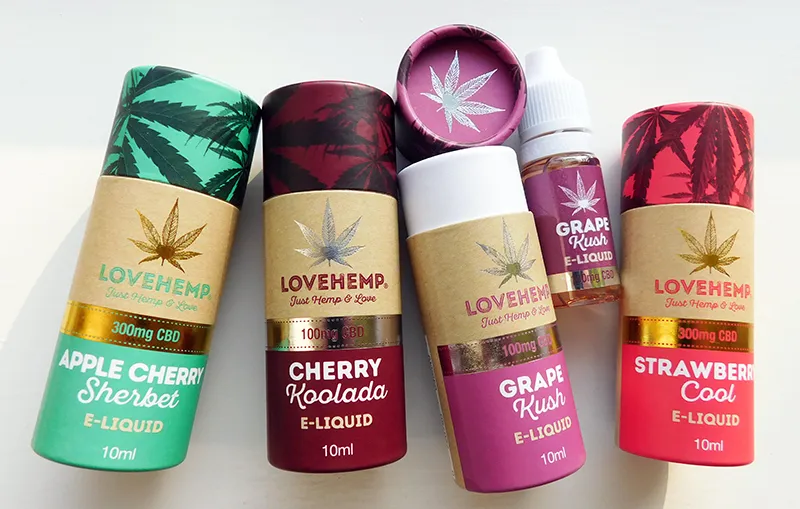
Photo: Ecig Click, CC BY-SA 2.0, via Wikimedia Commons
There is a quiet bit of theatre in the way some CBD products are sold. Big numbers on the front. Words like extra strength. A suggestion that a serious routine needs a serious milligram count. For a UK beginner in 2026, that can make a perfectly sensible first step feel underwhelming. But the less glamorous truth is that a low, repeatable dose is often the better place to begin.
This is not an argument against higher-strength products. It is an argument for treating your first few weeks with CBD as a fact-finding mission, not a test of willpower. At Champion CBD, the useful question is not 'how strong can I go?' but 'what can I measure, repeat and feel comfortable with?'
Why the strongest bottle is rarely the smartest first buy
Strength is not a personality trait. It is a measurement. A high-strength oil can be useful for someone who already knows how they respond, but it is a clumsy starting point for everyone else. When you are new, the goal is not to prove anything. It is to find out whether CBD fits your routine at all, and at what sort of serving you feel comfortable.
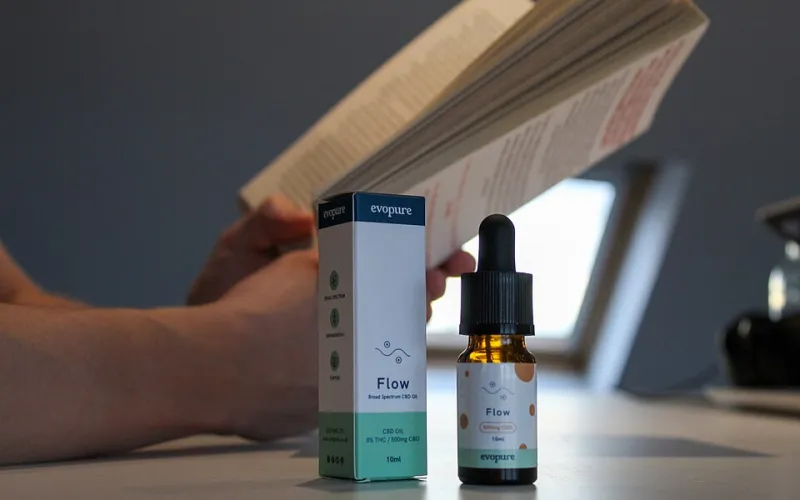
The label maths matters more than the word strong. If a 10 ml bottle contains 500 mg of CBD, that is 50 mg per ml. A 0.5 ml dropper is roughly 25 mg. That is not a tiny amount for a first-timer. A 10 ml bottle with 100 mg gives 10 mg per ml, so a 0.5 ml serving is about 5 mg. Same bottle size, very different experience. Buying on bottle strength alone is a bit like buying shoes by colour and ignoring the size.
There is also a practical cost argument. Beginners often buy the biggest, strongest bottle they can find, then discover they do not get on with the taste, the texture or the routine. A smaller, lower-strength product lets you learn without committing to a cupboard full of something you may not finish.
Think in servings, not swagger
UK labels can be genuinely helpful, but only if you read the right bits. Look for the total CBD content, the bottle size, the suggested serving size and how many servings that gives you. Capsules usually state the CBD per capsule. Oils may give a dropper measurement, but droppers vary, so check whether the label means a full dropper or a half dropper.
Do not compare a 30 ml bottle with a 10 ml bottle as if they are the same thing. Do not compare a 500 mg bottle with a 1,000 mg bottle without checking the serving size. And do not assume that a product marketed as premium is automatically clearer about its contents. A plain label with honest numbers is worth more than a glossy one with vague promises.
If you are completely new, a cautious starting point is usually a small serving taken consistently for a week or two. Follow the product label first. If you take medication, are pregnant or breastfeeding, or have a health condition, speak to a GP or pharmacist before starting CBD. This is everyday wellbeing guidance, not medical advice.
Keep a two-week note that is almost boring
A lot of dosing becomes guesswork because nobody writes anything down. You take a few drops on Monday, forget on Tuesday, double up on Friday and then try to remember how you felt. That is not a fair test of anything.
Keep it simple. Note the date, the serving size, the time you took it and anything you noticed. You do not need a spreadsheet with forty columns. A notes app entry is fine. The point is to create a small record you can actually compare.
Try to keep other variables steady too. If you are testing CBD oil, do not also start a new pre-workout, a new evening routine and a new sleep supplement in the same week. Give yourself a fair baseline. A week or two of ordinary notes is more useful than a dramatic one-off experiment.
Adjust one dial at a time
If you notice nothing after a couple of weeks, the temptation is to jump straight to a much bigger serving. Resist that. Make one small change and hold it for a while. If you feel you would rather stop, stop. CBD is not a challenge to endure.
The same applies if you do notice something you like. Do not immediately add a second product and a third. Keep the routine stable enough that you know what is doing what. A low-dose rule is really a one-change rule in disguise.
The UK label checks that save guesswork
Before you buy, check that the product has clear CBD content per serving, a batch number, an expiry date and contact details for the seller. Look for third-party testing information if it is available. Keep the original packaging, even if you decant a few drops into a smaller bottle for convenience. If anything goes wrong, the batch number is your starting point.
Be wary of products that make bold medical claims or promise miracle results. CBD in the UK is sold as a food supplement or wellness product, not a medicine. Clear labelling and sensible language are good signs. Confusing maths and oversized claims are not.
When low and slow still is not right
Some people simply do not enjoy CBD, and that is fine. If you experience unwanted effects, stop and seek advice if you need it. If you are taking prescription medicines, do not assume CBD is automatically harmless because it is sold on the high street. Ask a pharmacist or GP.
The low-dose rule is not a rule for life. It is a starting discipline. Once you know how you respond, you can make a calmer decision about whether to stay low, adjust slightly or try something different. In 2026, with more UK CBD products on the shelf than ever, that kind of patience is not old-fashioned. It is common sense.