The Tidy Number on the Jar Is a Starting Point, Not a Finish Line: A 2026 UK CBD Label Check

You are in a shop, or halfway down a product page, and there it is: a neat little reference next to the words Novel Food. It looks official. It feels reassuring. And that is exactly the moment to slow down.
In the UK CBD market of 2026, a novel food reference is worth knowing about. It can show that a product or company has engaged with the regulatory process. But it is not a gold star for quality, a guarantee of potency, or a sign that someone has tasted the oil and declared it excellent. Think of it as a library card rather than a book review: it tells you something about the route taken, not the whole story.
What the novel food reference actually is
CBD extracts sit in the novel foods framework in the UK. That means companies are expected to go through the relevant authorisation process, and the Food Standards Agency publishes information about CBD products and applications in its registers. Depending on the label, you might see an application reference, a product identifier, or a company name tied to an entry.
The wording varies, which is half the problem. Some labels make it look like an approval badge. Some bury it in tiny type. Some use a number that means very little without the matching product name. A responsible label should make it easy to connect the reference to the exact product you are holding, not just the brand in general.
What it does not tell you is whether the batch in your hand has been tested for pesticides, heavy metals or solvents. It does not tell you whether the CBD content matches the label. It does not tell you whether the oil is good value, whether the carrier oil suits you, or whether the dose is sensible. Those are separate checks.
Cross-checking the FSA register without getting lost
Start with the exact product name, strength and brand. Then search the FSA's published CBD novel foods information. Match the entry to the product in front of you, not just the company. If the label says 500mg and the register entry points to a 250mg version, that is worth a question. If the flavour or format is different, ask again.
Check what the entry actually says. Is it an application that has been submitted, validated or authorised? Those are not the same thing. A reference can show that a company is in the system without proving that every claim on the bottle has been signed off.
If you cannot find a match, that is not automatically proof of a scam. Registers can be clunky, names can differ, and small brands can be messy with admin. But it is a prompt to ask the seller a direct question: can you send me the exact register entry for this product and this strength? A vague answer is useful information too.
Compliance is not the same as quality
A product can be in the regulatory system and still be a poor buy. It might be stale, overpriced, weakly dosed, or packed in a bottle that lets light and air do their worst. Compliance is about the route to market. Quality is about what is actually inside the bottle.
So look for batch-specific lab reports. Not a generic certificate on the homepage, but a report that matches the batch number on your bottle and is recent enough to be meaningful. A useful certificate of analysis should show the cannabinoid profile, including CBD content, and results for contaminants such as pesticides, heavy metals, solvents and microbials. If the report is undated, unreadable, or clearly for a different product, it is not doing much work.
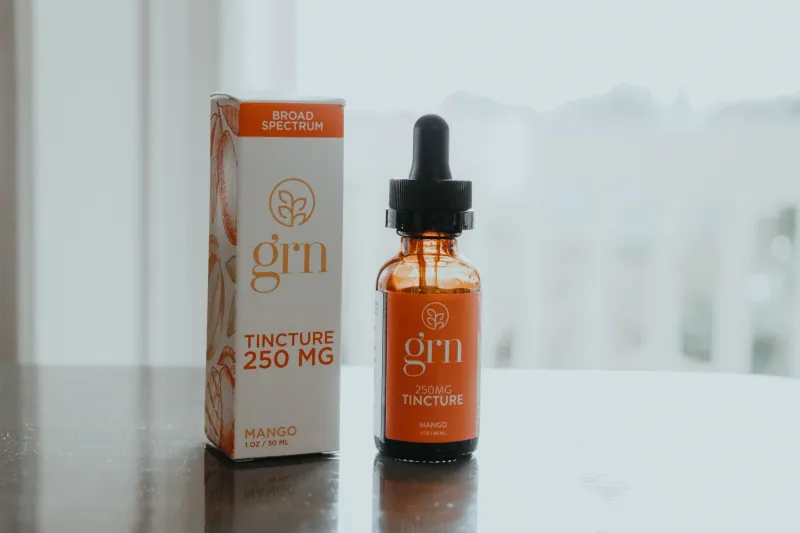
Also check the basics. Does the label state CBD per ml and per drop? Is the batch number visible? Is there a clear expiry date? Does the packaging protect the oil from light? Is the carrier oil listed? These are boring details, but they are the ones you live with after the unboxing.
The dose line deserves more attention than the number
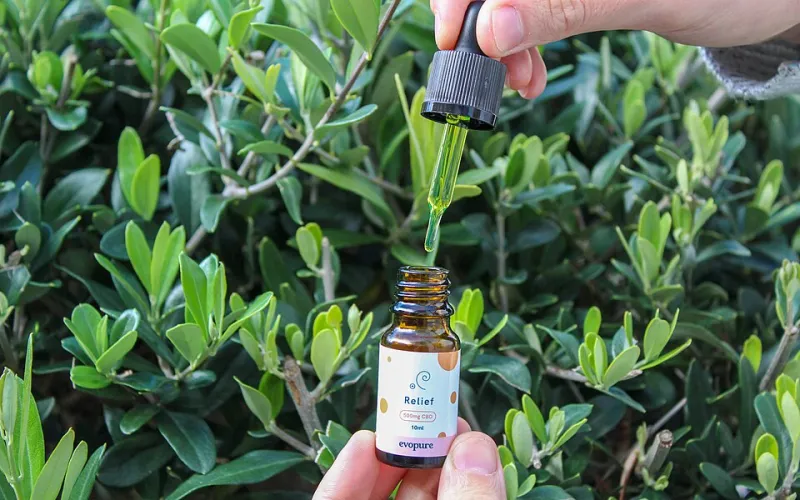
A tidy reference will not tell you how many drops to take. That is maths, not magic. If a 10ml bottle contains 1000mg of CBD, that is roughly 100mg per ml. If your dropper delivers about 20 drops per ml, each drop is around 5mg. Suddenly the label makes more sense.
Start lower than you think you need. The FSA has advised healthy adults not to exceed 70mg of CBD per day, with lower limits for some groups, and that is a ceiling rather than a target. If you take medication, are pregnant or breastfeeding, or are unsure, speak to a GP or pharmacist before buying. A novel food reference is not personal advice.
This is where many labels fall down. They shout about strength but not about realistic serving size. They list milligrams per bottle but not per drop. They make a 30ml bottle sound like a bargain without explaining that the daily cost depends entirely on the dose you actually use. Pair the compliance check with a dose check, and the product becomes much easier to judge.
Red flags worth noticing in 2026
Be wary of labels that use the phrase FSA approved without qualification. The FSA does not run a general quality seal for CBD oils. Be cautious if the novel food number cannot be matched to the product, or if the lab report is not batch-specific. Be sceptical of absolute claims such as THC-free with no explanation, or sweeping wellness promises that belong nowhere near a bottle of oil.
And do not let a neat number distract you from the price per milligram. A compliant product can still be bad value. A less polished label can still belong to a thoughtful brand. The reference is one clue, not the whole case.
A three-minute label check
First, find the exact product name, strength and batch number. Second, cross-check the FSA information and see what the entry actually covers. Third, scan the lab report for batch match and contaminant results. Fourth, calculate CBD per ml and per drop. Fifth, ask the seller one clear question if anything does not line up.
That routine will not make you a regulatory expert. It will do something more useful: it will stop a tidy number from doing all the thinking for you. In UK CBD buying, compliance labels are a starting point. The finish line is a product that is clearly dosed, properly tested and sensible for you.