Hemp Is Not a Synonym for CBD: Reading the High-Street Shelf Properly
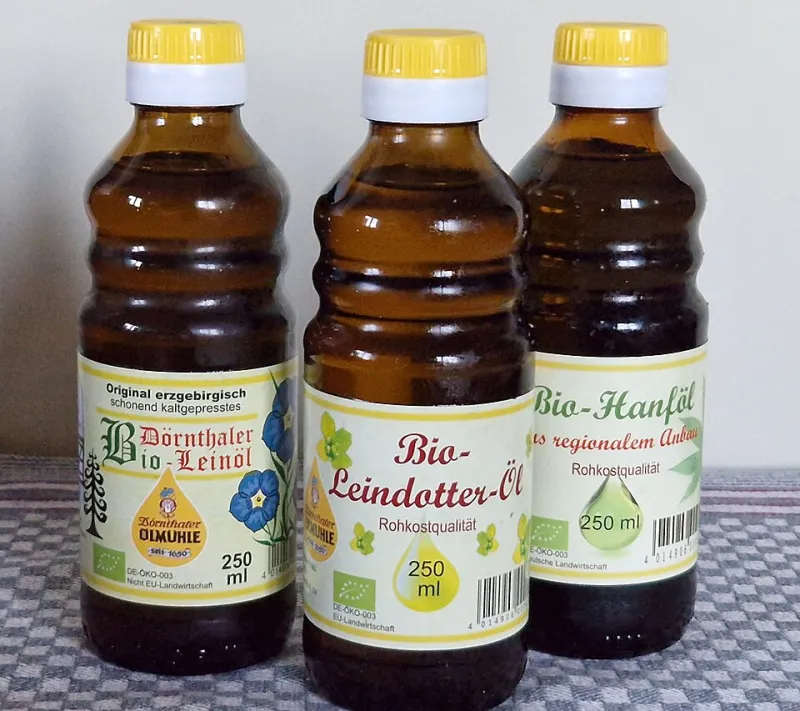
Photo: Geolina163, CC BY-SA 4.0, via Wikimedia Commons
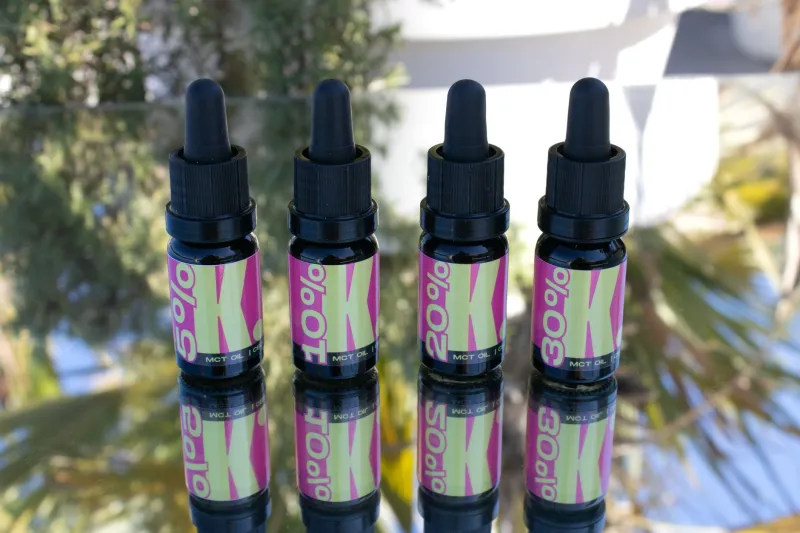
Walk into almost any UK health shop in 2026 and you will meet a familiar sight: a row of dark glass bottles, green leaves on the label, the word hemp somewhere in a calm sans-serif font. Some of those bottles contain cannabidiol. Some contain hemp seed oil, which is a perfectly nice food oil but not a CBD product in any practical sense. The packaging does not always make the difference obvious, and that is exactly why it pays to slow down for thirty seconds.
CBD is short for cannabidiol, one of the compounds found in the flowers and leaves of the cannabis plant. Hemp seed oil is pressed from the seeds. Same plant family, very different product. The seeds contain little to no CBD, so a bottle of seed oil cannot deliver a meaningful CBD dose no matter how wellness-friendly the label looks. That is not a scandal in itself. It becomes a problem when a shopper picks up the bottle assuming the word hemp means the same thing as CBD.
Why the word hemp does so much heavy lifting
Hemp is a broad term. It can describe a plant, a fibre, a food ingredient or a family of extracts. On a busy shelf, that ambiguity does a lot of commercial work. A bottle can use hemp leaves, hemp wording and a dropper top without ever claiming to be a CBD oil. If the front label is vague and the price is low, it is worth turning the bottle around before you get attached to it.
This is not about assuming every brand is trying to trick you. Hemp seed oil is a legitimate product, often sold as a dressing or a plain food oil. The issue is the shopper's assumption. If you are buying CBD for calm, sleep or general wellbeing, you need cannabidiol. If you are buying a tasty seed oil for salads, you do not. The two sit closer together on the shelf than they should.
The ingredients list is the bit that argues back
The front of a bottle is marketing. The back is where the useful detail tends to live. Look for the ingredient panel and read it slowly.
If you see Cannabis sativa seed oil, hemp seed oil or hemp seed extract, you are almost certainly looking at a seed-based food oil rather than a CBD extract. Those terms point to the seed, not the flower. If you see cannabidiol or CBD named clearly, that is a much stronger signal. Hemp extract is a greyer term: it may contain CBD, but it may not contain much. Treat it as a prompt to keep reading, not a finish line.
A good label should also tell you how much CBD is in the bottle and how much is in a typical serving. That might be written as total milligrams, milligrams per ml, or milligrams per drop. If the word CBD appears on the front but the back never commits to a number, put it back. A wellness-style bottle with no clear dose is asking you to trust the mood of the packaging rather than the contents.
Follow the milligrams, not the mood
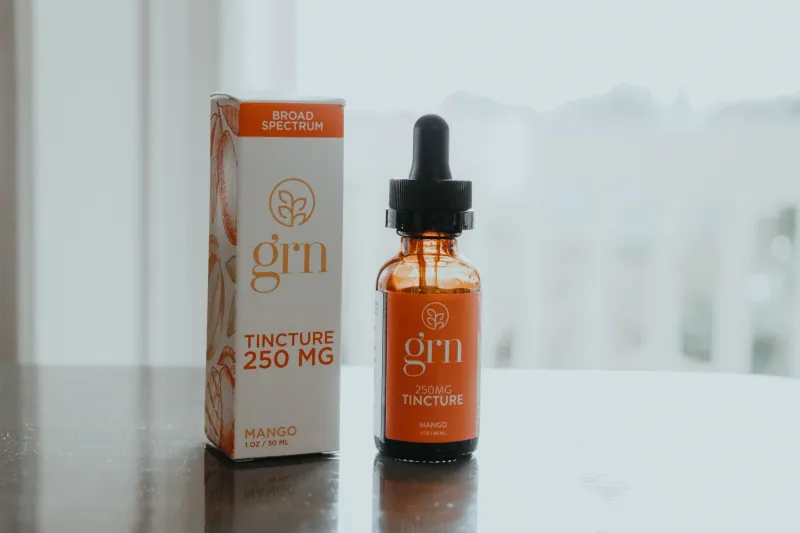
CBD content is the quickest way to compare two bottles that look similar. A 500mg bottle sounds impressive until you realise it contains thirty servings, which works out at around 16mg per serving. A 250mg bottle with ten servings is a different proposition. Neither is automatically better. The point is that total milligrams alone do not tell you what a dose looks like.
Check the suggested serving size, then do a rough price-per-100mg calculation. This is where the high-street decoy often reveals itself. Hemp seed oil is cheap to produce, so a £8 or £10 bottle is not suspicious in itself. A £12 bottle claiming 1000mg of CBD, however, deserves a hard look. CBD extract costs more to make, test and regulate. If the price looks too good for the stated CBD content, assume there is a detail you have not found yet.
In the UK, CBD extracts are regulated as novel foods, and the Food Standards Agency keeps a public list of products linked to applications. It is not a guarantee of quality, but it is one more thing a serious brand should be able to point you towards. Batch-specific lab reports are useful too. They should match the bottle in your hand, not just the brand's website in general.
A quick shelf-side checklist
Before you take a bottle to the till, run through this in your head:
- Does the ingredients list actually name cannabidiol or CBD, or does it only mention hemp seed oil?
- Is there a clear total CBD amount and a clear serving size?
- Can you work out roughly how many milligrams you get per dose?
- Does the batch number or QR code lead to a lab report for that batch?
- Is the price plausible for the CBD content claimed?
You do not need to interrogate every bottle like a detective. You just need to catch the obvious mismatch between a hemp-forward label and a product that never quite says CBD.
When hemp seed oil is still a fair buy
None of this means hemp seed oil is bad. It is a pleasant food oil with a nutty flavour, and it can be useful in the kitchen. If a bottle is clearly sold as hemp seed oil, priced like a food oil and labelled honestly, there is no reason to avoid it. The trouble starts when the same bottle is bought by someone expecting CBD effects and wondering why nothing happens after a week of droppering it into tea.
Wellness-style packaging blurs the line further. A dropper, a dark bottle and a leaf motif do not prove anything. They are design choices, not ingredients. The label has to do the work. If the word CBD is missing from the ingredients and the milligrams are nowhere to be found, you are probably looking at the decoy rather than the product you came for.
The high street is crowded, and the word hemp is doing a lot of quiet lifting. Your job is simple: check the back, find the cannabidiol, find the milligrams and make sure the price makes sense. If those three things line up, you can shop with a bit more confidence. If they do not, leave the bottle on the shelf and keep walking.