A Clean COA Can Still Hide a Weak Bottle: Reading UK CBD Lab Reports in 2026
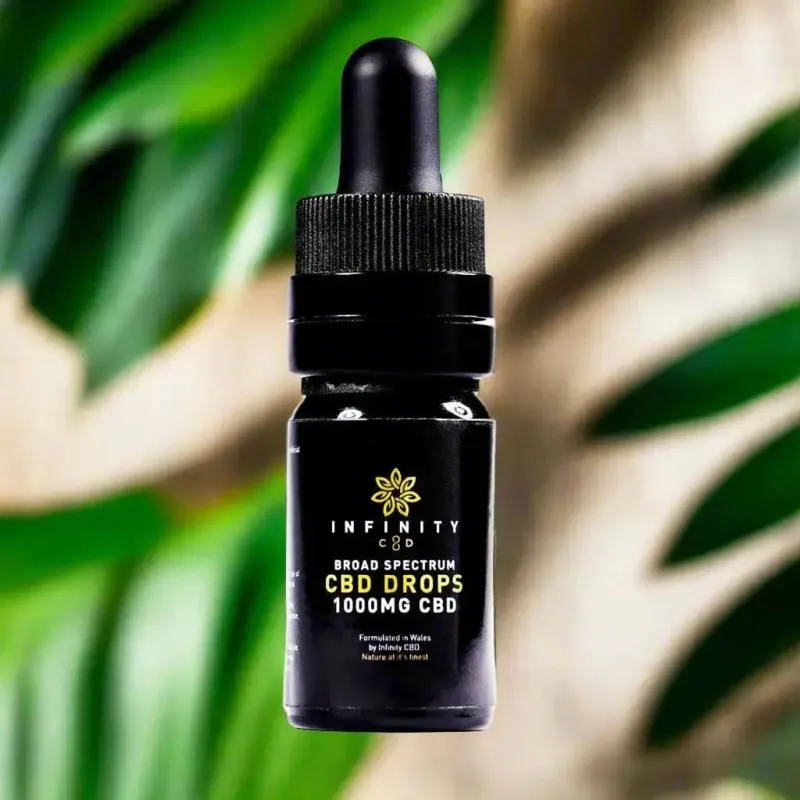
Photo: CBD certificate of analysis lab report and dropper bottle on desk, via infinity-cbd.co.uk
A certificate of analysis has become the handshake of the UK CBD aisle. Scan the QR code, download the PDF, see a tidy column of green ticks, and it is easy to treat the whole bottle as verified. That is the problem. A COA is a lab report on a sample from a batch. It is useful evidence, but it is not a gold star for the product, the extraction method, the serving size or the way the oil behaves in your kitchen cupboard.
What the report is actually saying
Most COAs come from a third-party lab and list tests for cannabinoids, sometimes terpenes, and contaminants such as pesticides, heavy metals, microbials and residual solvents. In the UK, look for labs working to ISO/IEC 17025 and accreditation marks such as UKAS. That does not make every number meaningful, but it does tell you the lab has a quality system behind it.
A COA is also a snapshot. It tells you what was found in one sample at one point in time. It does not tell you whether the bottle has been stored badly since, whether the label maths adds up, or whether the product suits you.
Batch numbers are the hinge
Check the batch or lot number on the PDF against the bottle. Then check the date. A report for a batch sold last year is not proof of the bottle in your hand. If the COA has no batch number, if the number is blurred, or if the online report is for a different size or flavour, pause. A generic lab report on a product page is better than nothing, but it is not the same as a batch-specific document.
Some brands make this easy with a QR code that opens a live PDF. Others bury a report three clicks deep and hope you will not notice it is old. The difference matters. You are trying to match the paper to the pack.
Potency: the number behind the number
Most shoppers look at CBD mg. Good. But ask: mg per bottle or per ml? Per serving? A 10ml bottle with 500mg is 50mg per ml. A 30ml bottle with 500mg is about 16.7mg per ml. That difference matters when a label says one dropper. The COA should give you enough information to do that maths without guesswork.
Also check THC and minor cannabinoids. A report showing CBD only is not necessarily bad, but it is less complete. You want to know whether the product is broad spectrum, full spectrum or isolate, and whether the THC result is below the UK limit. The COA should support the label, not contradict it.
Terpenes: interesting, not a guarantee
Terpene panels are nice to see. They can tell you whether the product has been formulated with terpenes or whether they have survived processing. But a long terpene list does not prove a product is well made. It is one more data point, not a quality crown.
Contaminants: the tests that should not be optional
A useful COA should cover pesticides, heavy metals such as lead, cadmium, arsenic and mercury, microbials including bacteria, mould and yeast, and residual solvents. Mycotoxins are worth checking too. If a report only shows cannabinoids, it is a potency report, not a full COA. Ask what was tested and what limits were used. A pass is more convincing when you can see the limit, not just a tick.
A clean report can sit beside a weak bottle
Several things can go wrong even when the PDF looks tidy. The sample may be from a different batch. The test may be on raw extract rather than the finished oil. The product may be diluted with carrier oil in a way that makes the label serving size confusing. The extraction may be harsh, or the formulation may separate in the bottle. A clean contaminant panel does not tell you whether the CBD is well absorbed, whether the flavour is pleasant, or whether the dose suits you.
That is why a COA should narrow the field, not end the conversation. It is a filter, not a finish line.
A five-minute checklist before you pay
- The batch number on the COA matches the bottle and the pack size.
- The report date is recent and sits within the batch life.
- The lab name and accreditation are visible.
- The cannabinoid panel includes CBD, THC and ideally minor cannabinoids.
- Pesticides, heavy metals, microbials and solvents have been tested.
- Results show pass or fail limits, not just numbers.
- The mg per ml maths on the label matches the COA.
- The QR code leads to a live PDF, not a generic homepage.
- The company can tell you which batch is in shops now.
Questions worth asking
Which batch is this? Can you send the COA for that exact batch? Is the test on finished oil or raw extract? What is the THC result in mg per ml? Who did the testing? If a brand cannot answer those questions clearly, that tells you something. It does not automatically mean the product is bad, but it means you are doing more trusting than checking.
A COA is a tool, not a trophy. Use it to separate the careful operators from the vague ones, then judge the product on dose, ingredients, price and your own response. At Champion CBD, that is the approach we would rather see: read the report, ask the boring questions, and keep your expectations level.